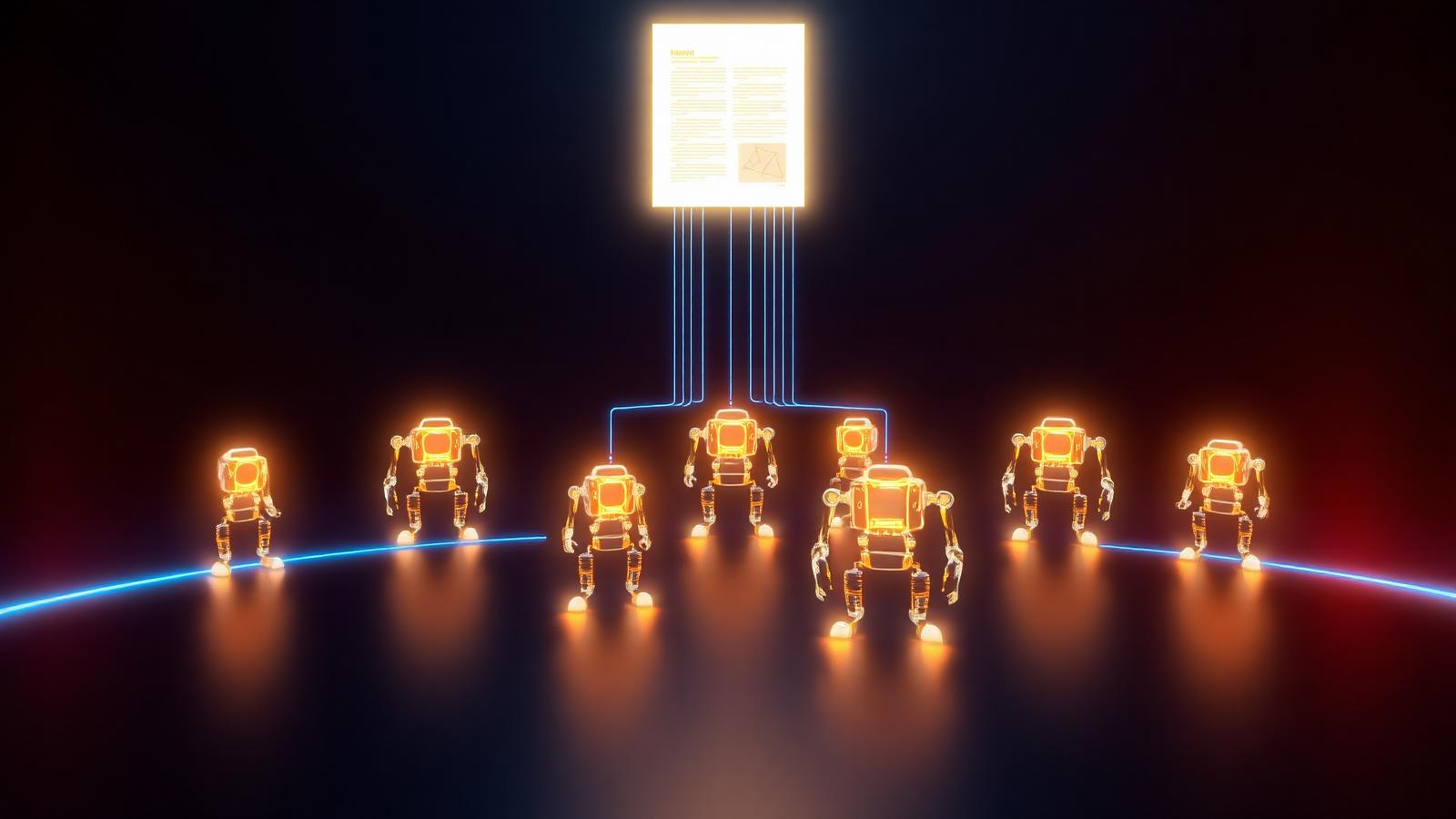
Multi-Agent Orchestration: de sleutel tot succesvolle bedrijfsvoering met AI-Agents
Multi-agent orchestration is het coördineren van samenwerkende AI-agents om bedrijfsprocessen efficiënter, kwalitatief beter en toekomstbestendig te maken.

De afgelopen jaren hebben we enorme sprongen gemaakt in kunstmatige intelligentie (AI). Waar AI eerst vooral draaide om data-analyse en voorspellingsmodellen, zien we nu de opkomst van AI-agents. Deze slimme assistenten combineren krachtige taalmodellen met de mogelijkheid om acties uit te voeren. Het resultaat: systemen die kunnen begrijpen en communiceren, en daarnaast daadwerkelijk bedrijfsprocessen kunnen sturen en optimaliseren.
Voor zakelijke professionals in Nederland, die zich afvragen hoe AI hun bedrijfsvoering kan transformeren, is er één concept dat steeds belangrijker wordt: Multi-Agent Orchestration. In deze blog verkennen we dit nieuwe vakgebied en laten we zien waarom het belangrijk is voor bedrijven die willen concurreren in het AI-tijdperk.
Wat zijn AI-agents?
AI-agents zijn de doorontwikkeling van taalmodellen zoals ChatGPT. Deze agents kunnen complexe teksten begrijpen en produceren, en daarnaast:
- Kennis verzamelen: Ze halen informatie uit databronnen zoals Word-documenten, PDF’s, e-mails en zelfs podcasts.
- Kennis toepassen: Ze kunnen inzichten combineren en communiceren in mensentaal.
- Acties uitvoeren: Ze zijn in staat om beslissingen te nemen en processen te automatiseren, zoals het versturen van e-mails, het opstellen van rapporten of het analyseren van data.
Waar traditionele taalmodellen passieve hulpmiddelen waren, zijn AI-agents actieve spelers binnen een organisatie. Denk bijvoorbeeld aan een AI-inkoopassistent die leveranciers beoordeelt, of een AI-agent die recruitmentprocessen optimaliseert.

Het belang van samenwerking: de multi-agent approach
Hoewel een enkele AI-agent indrukwekkend is, ligt de echte kracht in samenwerking. Bedrijven hebben vaak te maken met complexe processen die expertise uit verschillende domeinen vereisen. Stel je een bedrijf voor dat een uitgebreid marktrapport wil schrijven:
- Een AI-copywriter schrijft heldere en overtuigende teksten.
- Een AI-marktonderzoeker analyseert marktgegevens en trends.
- Een AI-data-expert zorgt voor een visueel aantrekkelijke presentatie van de data.
Deze specialisten werken samen om één doel te bereiken. Dit noemen we de multi-agent approach: een netwerk van gespecialiseerde AI-agents die samenwerken om een complexe taak te voltooien.
Maar hier komt de uitdaging: hoe zorg je ervoor dat al deze agents soepel samenwerken? Dit is waar multi-agent orchestration om de hoek komt kijken.
Wat is multi-agent orchestration?
Multi-agent orchestration draait om het coördineren van meerdere AI-agents, zodat ze gezamenlijk werken als een goed geolied team. Net zoals een orkest een dirigent nodig heeft om een harmonieus muziekstuk te spelen, hebben AI-agents een “dirigent” nodig die hun samenwerking stroomlijnt.
Belangrijke aspecten van multi-agent orchestration zijn:
- Informatie-uitwisseling: AI-agents moeten relevante informatie delen zonder elkaar te overladen. Welke data is nodig voor welke taak?
- Besluitvorming: Welke agent neemt welke beslissing, en hoe evalueer je de juistheid van die beslissing?
- Procesbeheer: Hoe controleer je of alle stappen van een proces correct worden uitgevoerd?
- Afstemming: AI-modellen zijn niet deterministisch; ze kunnen verschillende uitkomsten genereren bij dezelfde input. Dit vereist een strakke afstemming en training.
Zonder goede orchestration kunnen AI-agents elkaar tegenwerken, verkeerde beslissingen nemen of inefficiënt werken. Dit leidt tot mislukte processen en frustratie bij gebruikers.

Waarom is multi-agent orchestration belangrijk voor jouw bedrijf?
Net zoals menselijke teams alleen succesvol zijn als iedereen weet wat er van hen wordt verwacht, geldt hetzelfde voor digitale collega’s. De voordelen van een goed georganiseerde multi-agent aanpak zijn enorm:
- Efficiëntie: Door taken slim te verdelen en agents te laten samenwerken, kun je bedrijfsprocessen versnellen.
- Kwaliteit: Gespecialiseerde agents zorgen voor diepere inzichten en betere resultaten.
- Flexibiliteit: Je kunt snel schakelen tussen projecten en processen aanpassen aan veranderende omstandigheden.
- Concurrentievoordeel: Bedrijven die multi-agent orchestration goed inzetten, kunnen sneller innoveren en beter inspelen op klantbehoeften.
Omgekeerd geldt dat bedrijven die deze ontwikkeling negeren, het risico lopen achter te blijven. Concurrenten die wél investeren in AI en multi-agent orchestration zullen een voorsprong hebben in efficiëntie, kostenbesparing en kwaliteit.
Uitdagingen en oplossingen
Hoewel de voordelen duidelijk zijn, is multi-agent orchestration geen eenvoudige opgave. Hier zijn enkele veelvoorkomende uitdagingen en mogelijke oplossingen:
1. Complexiteit van samenwerking
Hoe meer agents je inzet, hoe moeilijker het wordt om hun samenwerking te coördineren.
Oplossing: Gebruik frameworks en tools die specifiek zijn ontwikkeld voor multi-agent systemen, zoals OpenAI’s API’s of specifieke orchestration platforms.
2. Onvoorspelbare uitkomsten
AI-agents kunnen verschillende antwoorden geven op dezelfde vraag, wat kan leiden tot inconsistenties.
Oplossing: Train agents met specifieke richtlijnen en gebruik menselijke feedback om consistentie te waarborgen.
3. Gebrek aan expertise
Veel bedrijven hebben nog geen ervaring met het implementeren van multi-agent systemen.
Oplossing: Werk samen met experts of consultants die gespecialiseerd zijn in AI en multi-agent orchestration.

De toekomst van multi-agent orchestration
Multi-agent orchestration staat nog in de kinderschoenen, maar het potentieel is enorm. In de komende jaren zullen we zien dat bedrijven steeds meer processen uit handen geven aan AI-agents. Van HR en marketing tot supply chain management en klantinteractie: overal waar specialisatie en samenwerking nodig zijn, kunnen multi-agent systemen het verschil maken.
Om deze technologie succesvol te adopteren, moeten bedrijven nu al investeren in de juiste infrastructuur, training en kennis. Wie nu expertise opbouwt in multi-agent orchestration, blijft concurrerend nu AI steeds meer bepalend wordt voor succes.
Conclusie
Multi-agent orchestration is niet zomaar een nieuwe trend, het is een vaardigheid die bedrijven nodig hebben om te groeien in het AI-tijdperk. Door een orkest van gespecialiseerde AI-agents soepel te laten samenwerken, kunnen bedrijven processen stroomlijnen, betere resultaten behalen en hun concurrentiepositie versterken.
De vraag is niet of bedrijven AI-agents gaan inzetten, maar hoe snel ze dit op een georganiseerde en effectieve manier kunnen doen. De bedrijven die vandaag investeren in multi-agent orchestration, zijn de marktleiders van morgen.
Begin dus met de basis: een duidelijke taakverdeling, strakke afstemming en menselijke feedback op de output van je agents.
- Adverteren in ChatGPT: best practices voor Nederlandse bedrijven
- Jev: het AI-model dat beslissingen teruggeeft in plaats van tekst
- Grok Bot vs Meta Muse: welke persoonlijke AI-assistent werkt voor ondernemers?
- Betere output uit ChatGPT, Gemini en Claude? Stop met perfecte prompts, geef betere context
- Kunnen reasoning agents met minder data net zo goed voorspellen als machine learning?
- AI-training voor medewerkers: door de EU AI Act een wettelijke verplichting
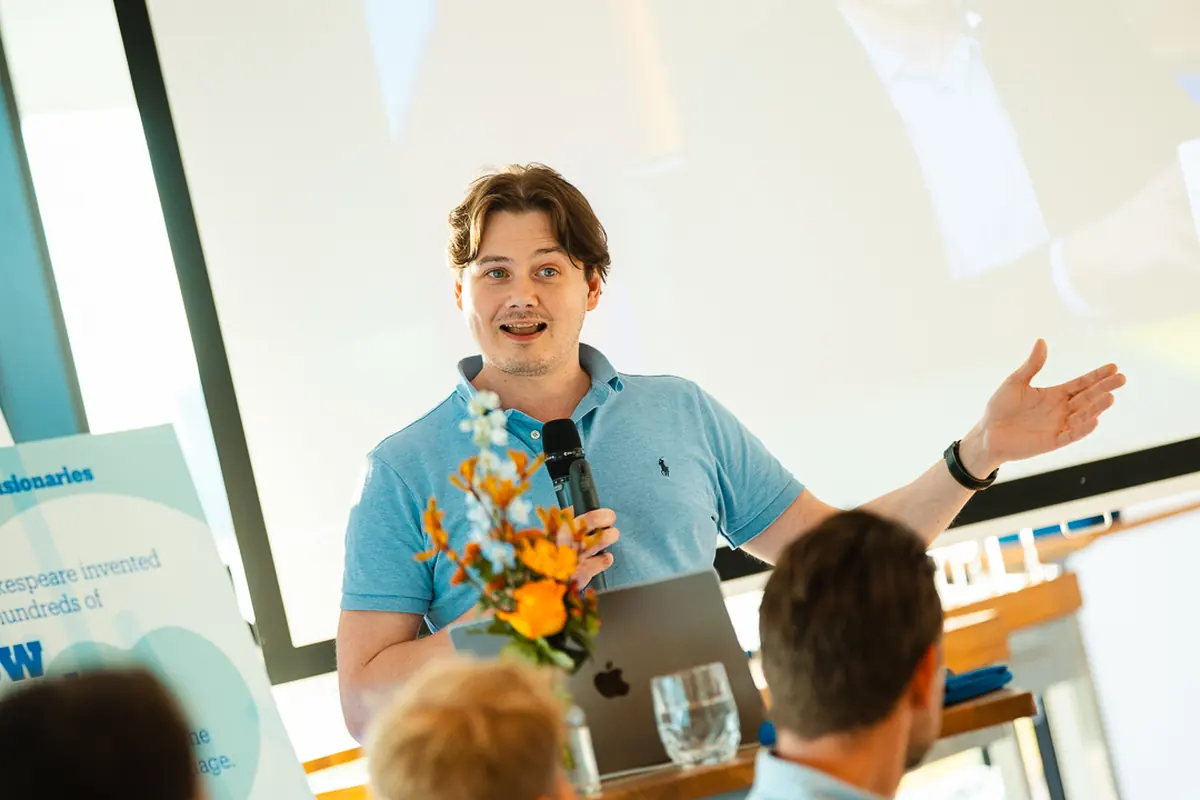
// Over de auteur
Remy Gieling
Mede-oprichter, AI-expert & bestseller-auteur
Tech-expert (1988) gespecialiseerd in kunstmatige intelligentie en mede-oprichter van ai.nl, The Automation Group, Proxies en eBrain.ai. Oud-hoofdredacteur van diverse zakenmerken en daardoor een geoefend verteller op het podium en in de media. Verzorgt jaarlijks 150+ AI-keynotes in binnen- en buitenland en is gastdocent aan Nyenrode. Co-auteur van zeven boeken, waaronder 'Handboek AI Strategie' en 'AI Agents', en bekend als presentator op radio en RTL Z. Reist langs de labs van OpenAI, Nvidia en Tencent en vertaalt de nieuwste doorbraken naar inzichten die leiders direct kunnen toepassen.
LinkedIn