Wat is Sora, het nieuwe text-to-video model van OpenAI?
Sora is het nieuwste text-to-video model van OpenAI. Hiermee ben je staat om van uit ChatGPT video's te genereren op basis van een ingegeven prompt.

OpenAI heeft een nieuw text-to-video model gelanceerd, dat gebruikers in staat stelt om op basis van tekst nieuwe video's te creëren. Zo ben je straks in staat om vanuit ChatGPT een prompt in te voeren, bijvoorbeeld 'genereer een video van een paarse olifant die danst op een blauwe strandbal', en het algoritme maak voor jou een minuut durende video. Deze nieuwe functionaliteit, Sora genaamd, gaat verder dan twee dimensionele afbeeldingen maken (dit kon al via Dalle3): OpenAI heeft GPT4 geleerd om ook de fysieke wereld te begrijpen en na te bootsen.
De impact van Sora op de creatieve sector is aanzienlijk. Het biedt kunstenaars, ontwerpers en filmmakers nieuwe mogelijkheden om hun visies tot leven te brengen zonder de beperkingen van traditionele filmproductiemethoden. Dit opent de deur naar nieuwe creatieve vrijheid en efficiëntie, waardoor creatieve geesten hun ideeën sneller tot leven laten komen.
In een zakelijke context biedt Sora gebruikers de mogelijkheid om snel en effectief videocontent te creëren. Van marketing en reclame tot educatieve en trainingsdoeleinden, de toepassingen zijn eindeloos. Dit maakt Sora, naast een tool voor creatieve professionals, ook een waardevol hulpmiddel voor bedrijven en organisaties om hun communicatie en storytelling te verbeteren.
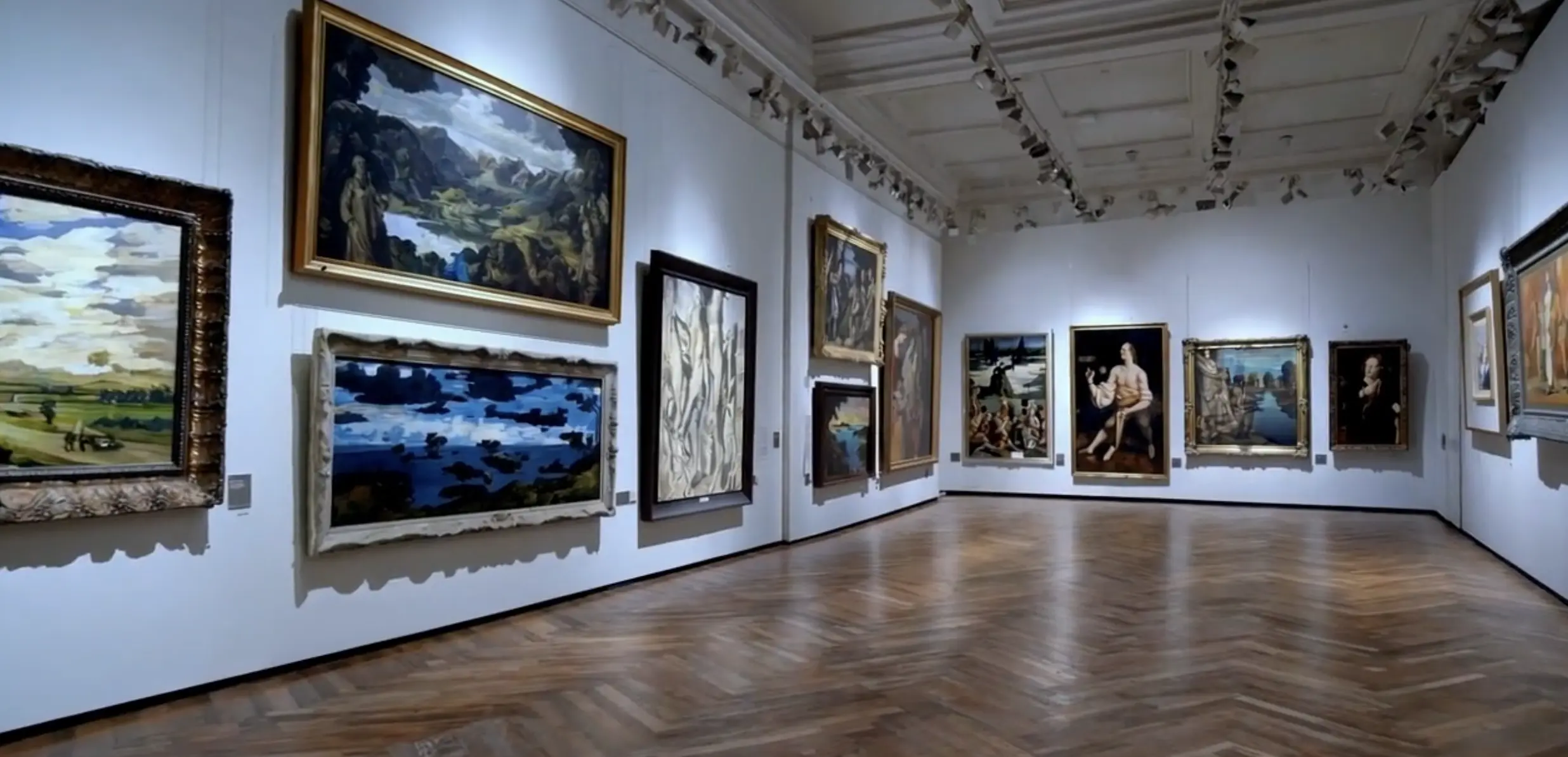
Hoewel er concurrenten zijn zoals RunwayML, onderscheidt Sora zich door de integratie met OpenAI's platformen, zoals ChatGPT en later via de API-koppeling voor softwaredevelopers. Dit maakt het toegankelijker voor een breder publiek en verlaagt de drempel om geavanceerde AI-video's te genereren.
Toch kent Sora beperkingen, waaronder uitdagingen bij het nauwkeurig simuleren van de fysica in complexe scènes en het begrijpen van specifieke oorzaak-gevolg relaties. Dit zijn gebieden waar voortdurend aan wordt gewerkt om de nauwkeurigheid en veelzijdigheid van het model te verbeteren.
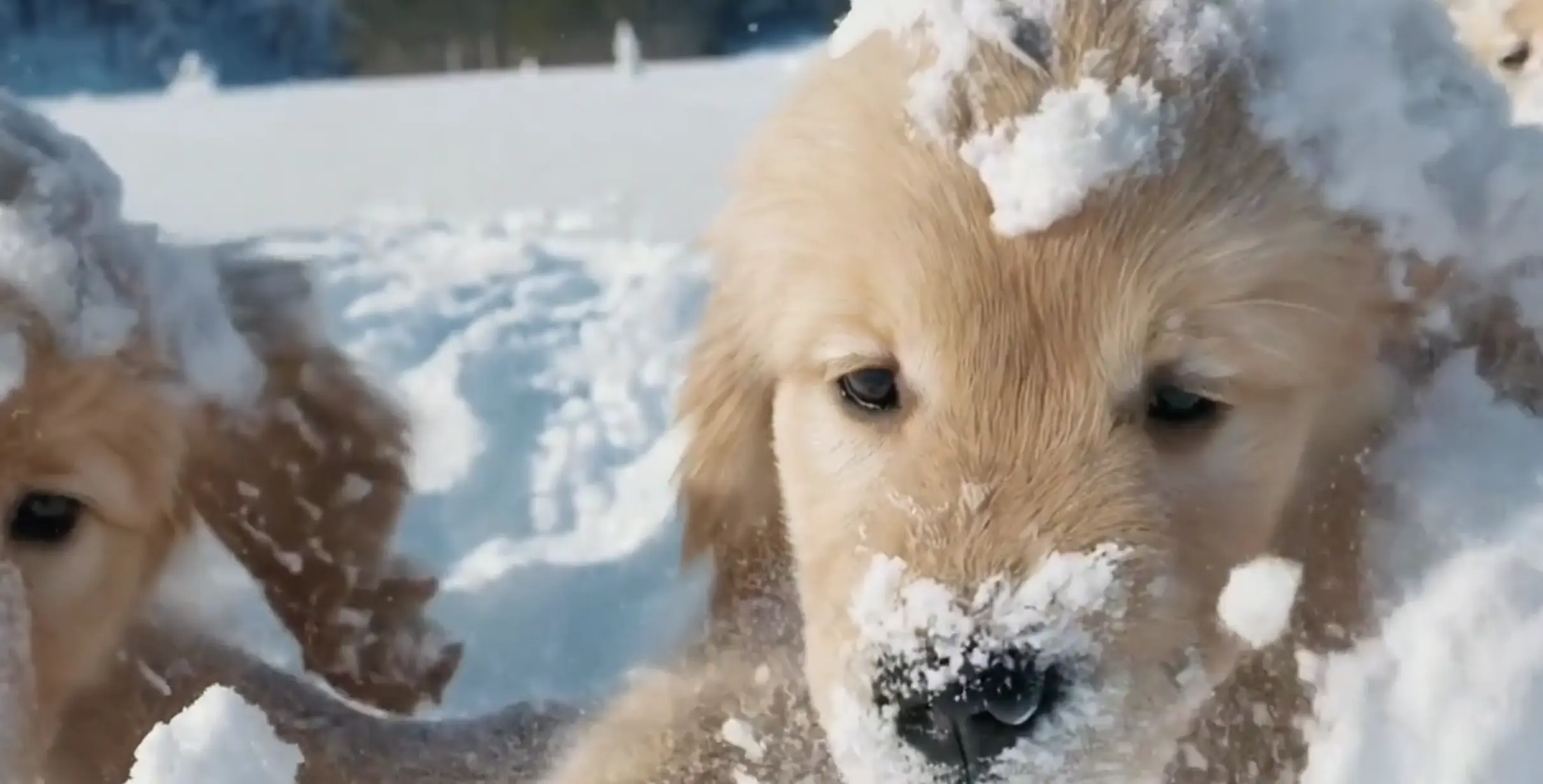
Sora is op dit moment enkel beschikbaar voor een selecte groep testgebruikers, omdat OpenAI zeker wilt weten dat kwaadwillenden het algoritme niet verkeerd kunnen gebruiken bijvoorbeeld voor het genereren van desinformatie of het maken van content waar auteursrecht op rust. Voor degenen die meer willen weten over Sora en de mogelijkheden ervan willen verkennen, neem dan contacto p met Job van den Berg en Remy Gieling van ai.nl. Zij kunnen diepgaande inzichten bieden en begeleiding bieden over hoe Sora kan worden ingezet voor specifieke projecten en doeleinden.

// Over de auteur
Remy Gieling
Mede-oprichter, AI-expert & bestseller-auteur
Tech-expert (1988) gespecialiseerd in kunstmatige intelligentie en mede-oprichter van ai.nl, The Automation Group, Proxies en eBrain.ai. Oud-hoofdredacteur van diverse zakenmerken en daardoor een geoefend verteller op het podium en in de media. Verzorgt jaarlijks 150+ AI-keynotes in binnen- en buitenland en is gastdocent aan Nyenrode. Co-auteur van zeven boeken, waaronder 'Handboek AI Strategie' en 'AI Agents', en bekend als presentator op radio en RTL Z. Reist langs de labs van OpenAI, Nvidia en Tencent en vertaalt de nieuwste doorbraken naar inzichten die leiders direct kunnen toepassen.
LinkedIn