

We value your privacy

    We use cookies to analyse traffic, improve our website and show relevant content. You choose what we may use. Read our privacy policy.

    Live AI news
    Back to articles// AI Trends

    AI and the Labour Market in 2026: Why Statistics Give a Distorted View

    The impact of artificial intelligence on the labour market is one of the most discussed themes heading towards 2026. To truly understand AI's influence, one must look beyond macro-level indicators and focus on what is happening at the underlying role level.

    Job van den Berg Published 30 december 2025 Updated 15 mei 2026 4 min read
    In de statistiek bestaat het begrip ecological fallacy: de denkfout waarbij conclusies op macroniveau worden doorgetrokken naar het microniveau, terwijl daar juist heel andere dynamieken spelen.

    The impact of artificial intelligence on the labour market is one of the most discussed themes heading towards 2026. Expectations range from large-scale job displacement to productivity growth and the emergence of new roles. Policymakers, employers, and researchers often first turn to familiar sources such as national statistics from agencies like the UWV and CBS.

    These statistics are valuable, but they do not tell the whole story. To truly understand the influence of AI, one must look beyond macro-level indicators and observe what is happening fundamentally at the job level.

    The risk of 'ecological fallacies'

    In statistics, there is a concept known as the ecological fallacy: the logical error of applying macro-level conclusions to the micro-level, where very different dynamics may be at play.

    Applied to the labour market, this means that while the total number of jobs, unemployment rates, or sector distributions may barely change, profound shifts are occurring within organisations and specific roles. Those who only look at the aggregates miss an important part of reality.

    What we likely will (and won't) see in the data

    Our expectation is that labour market statistics in 2026 will not show extreme shocks. The total number of jobs will likely not collapse, and many people will formally remain employed by the same employer. However, this does not mean AI has little impact. On the contrary. The biggest change is not occurring between jobs, but within jobs.

    Roles remain, tasks change

    AI causes job descriptions to shift. Routine, administrative, and analytical tasks are increasingly supported or partially taken over by AI systems. Simultaneously, the importance of the following increases:

    • interpretation and decision-making
    • creativity and problem-solving skills
    • communication and human-centric work
    • oversight of processes and technology

    The result is that the content of job profiles changes significantly, while job titles and contract types often remain the same. On paper, little changes; in practice, everything does.

    Why this is barely visible in standard statistics

    Traditional labour market data is primarily designed to measure quantities: number of jobs, contracts, sectors, and unemployment. They say little about the content of work. Consequently, qualitative shifts in tasks, skills, and responsibilities remain largely out of view.

    This creates a real risk that we might conclude in hindsight that AI's impact on the labour market was "not that bad," while professionals have had to radically redesign how they work in the meantime.

    What we should focus on

    To take the impact of AI seriously, we must focus less on macro-indicators alone and more on:

    • changes in job profiles
    • shifting skill requirements
    • redesign of tasks within teams
    • how humans and AI collaborate in daily processes

    It is precisely these underlying developments that determine what work looks like in practice and what adjustments are needed in education, HR policy, and organisational structure.

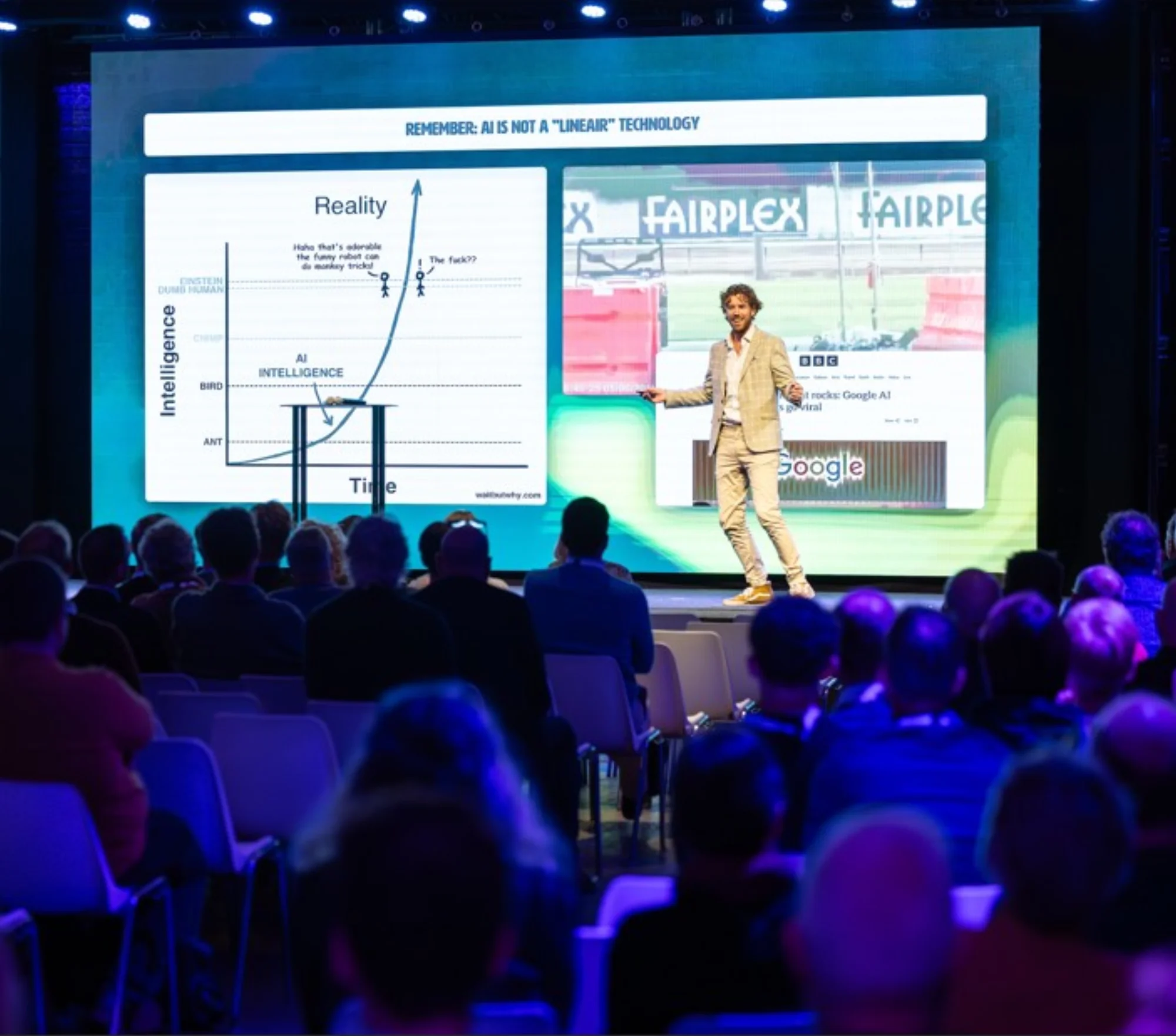
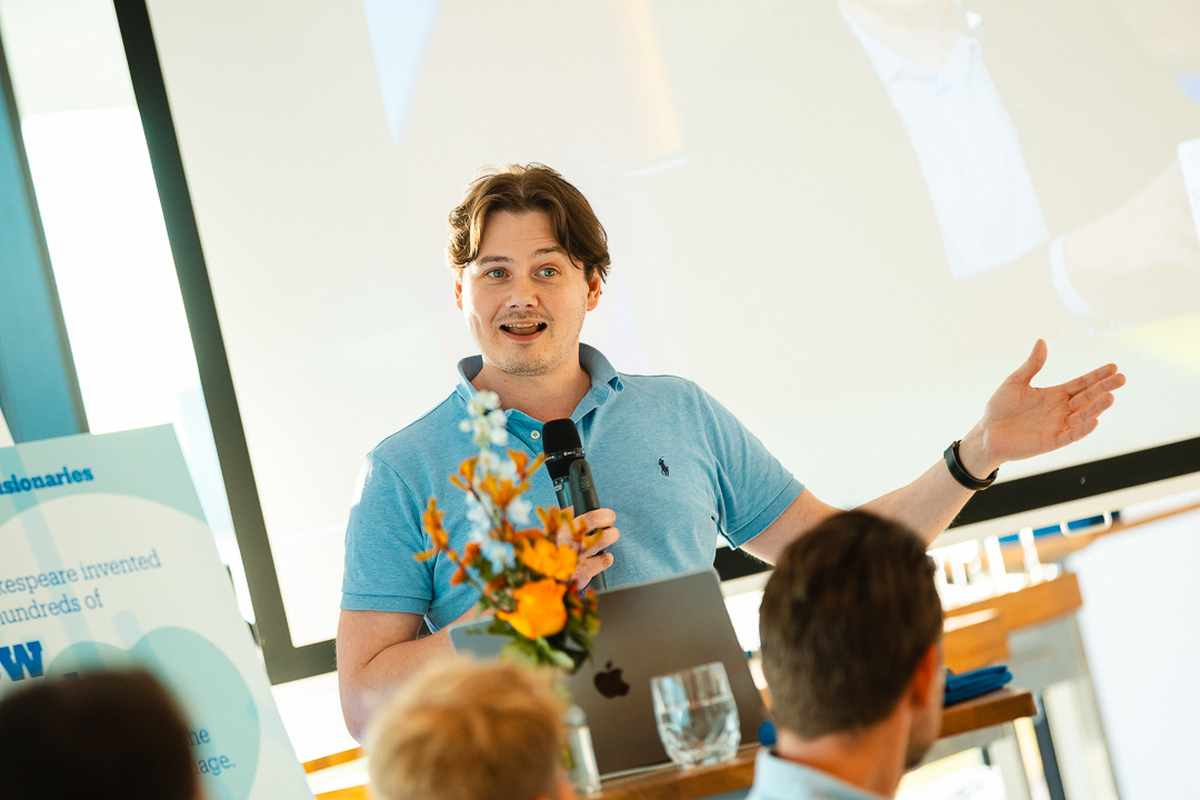
    Job van den Berg — Mede-oprichter, AI Keynote Spreker & Techondernemer bij ai.nl

    // About the author

    Job van den Berg

    Mede-oprichter, AI Keynote Spreker & Techondernemer

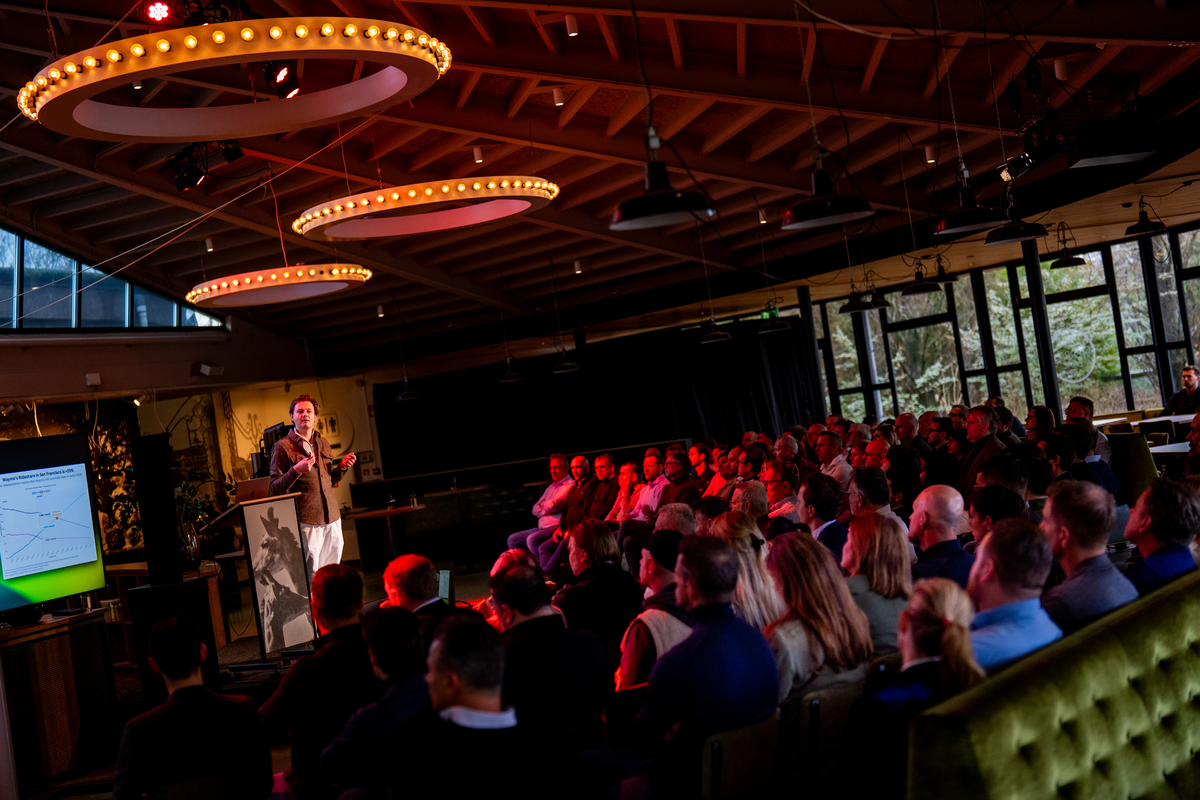
    Tech-ondernemer (1989) met een achtergrond als socioloog (Research Master (MSc) in statistiek en sociologie) en een van de meest gevraagde keynote sprekers over AI en data in Nederland. Als mede-oprichter van Ai.nl, The Automation Group en Proxies leidt hij engineers die agentic AI van prototype naar productie brengen binnen enterprises. Op het podium vertaalt Job die hands-on praktijk naar concrete strategieën. Eerder was Job Chief Data bij o.a. DPG Media en Kantar. Hij is co-auteur van 5 boeken over AI waaronder 'AI Agents' en 'Handboek AI Strategie' en een veelgevraagd expert in de landelijke media.
    LinkedIn
    // GET STARTED// How we can help

    Beyond reading — let AI work for you.

    // CONTINUE READINGAll articles

    More from AI Trends.

    Newsletter

    Always up to date on AI.

    Once a month: cases, frameworks and concrete examples of what works in practice. No noise.

    No spam. Unsubscribe any time.