

Scaling AI: Why Multi-Agent Systems Require Social Network Analysis
As AI shifts toward autonomous multi-agent systems, organizations risk losing oversight of collaboration dynamics. Applying classical sociology is vital to govern these complex networks.

When discussing the further scaling of AI, the public debate primarily focuses on raw computing power or the number of model parameters. But as an AI strategist, I prefer to look at the architectural layer above. As we transition from isolated generative chatbots to autonomous multi-agent systems, a completely different, organizational obstacle emerges: we are rapidly losing sight of mutual collaboration dynamics. Exactly this problem is analyzed and dissected in a highly relevant, new SSRN paper (December 2025) by Hasan Gokberk Bayhan, titled Social Network Analysis of AI Agent Organizations. The research''s contribution is crystal clear: it conclusively demonstrates that we must deploy techniques from classical sociology to understand how our complex AI systems truly function and fail.
From code to socio-technical networks
Bayhan aptly argues and substantiates that we can no longer view a swarm of collaborating AI agents purely as software integrations. We must actively model these structures as temporal, multi-layer socio-technical networks. Within these networks, agents maintain dynamic relationships, exchange influence, and form temporary nodes to achieve specific business goals. This requires a fundamental paradigm shift where we apply classical Social Network Analysis (SNA) directly to the machine layer.
Driven by the adoption of open standards, such as the Model Context Protocol (MCP), and the rise of direct agent-to-agent communication, a hidden and rapid web of interactions emerges. Once we unleash SNA techniques on the log files of these data streams, research shows we immediately encounter high-risk, unplanned network phenomena. For instance, Bayhan points out the organic formation of so-called coordination hubs: specific decision-making agents that inadvertently evolve into the absolute core of a process. Moreover, it exposes the formation of shadow dependencies. These are invisible dependencies where agents, which based on the official architecture should not be communicating with each other, still indirectly exchange information and influence, resulting in unintended system reactions.
Memory as a governance lever and the risk of persona drift
One of the most strategic concepts outlined in this paper concerns the dynamics surrounding agent memory. Bayhan makes a crucial distinction between short-term memory (within the specific context of a single task) and long-term memory (data retained over longer periods). He sharply argues that we should not merely facilitate this memory as data storage, but deploy it as a rigorous governance lever.
When agents systematically interact in a dense network, they build up a broad shared context in their long-term memory. Here, the paper introduces a critical danger: persona drift. Because individual agents continuously respond to and accumulate data from interactions with other actors in the network, their initially strictly programmed task execution can slowly shift. A specialized risk-evaluation agent that frequently spars with an optimization agent might undesirably adopt patterns and consequently apply lighter scrutiny. This persona drift yields far-reaching, quantifiable implications for both the scalability and the overall, traceable reliability of an autonomous system.
Direct implications for executives and AI teams
This paper is anything but a theoretical exercise. It forces a completely different design approach for organizations betting on autonomous architectures. Based on the paper, I see four clear, practical governance mechanisms we must integrate into our operations immediately:
1. The introduction of the agent sociogram
Standard IT architecture diagrams fall short in the new AI era. AI teams are compelled to generate real-time, dynamic sociograms of their machine networks. Only by exactly and visually mapping which agents actually interact with each other including unveiling the unwritten rules of the network structure can an organization maintain full functional control.
2. Identifying unintended single points of failure
The continuous monitoring of SNA metrics, such as centrality and betweenness within the agent network, is essential. These insights flawlessly reveal which agents have accumulated far too many communication lines and implicit power. If a single validation agent organically evolves into the bottleneck for fifty other processes, it introduces a massive single point of failure. Such unplanned network hubs must immediately be decentralized by the team to guarantee stability.
3. Strict, layered memory governance
Orchestrating access to and retention of long-term memory becomes a priority governance task. To curb the aforementioned persona drift, we must establish airtight frameworks and policies. We need to architecturally define and enforce which subtasks must be reset once completed, and which learning experiences are permitted to permanently filter into an agent''s weighting.
4. Structural agent headcount management
We must abandon the idea that adding more agents automatically leads to greater speed and intelligence. A mature deployment of multi-agent systems requires robust agent headcount management. Similar to the escalating need for alignment in large human organizations, boundlessly adding actors on the machine layer logically causes diminishing returns due to sky-high communication overhead and complex coordination logic.
The rise of an entirely new organizational discipline
Bayhan''s analysis forces an inevitable intellectual breaking point. We are heading toward a transformative decade where we no longer configure intelligent machines as standalone services, but fundamentally orchestrate them as a layered population. Effectively building and managing multi-agent systems therefore extends far beyond the contours of purely technical software engineering. In the near future, an imperative need arises for a new, sociologically informed design discipline. Technology leaders who recognize early on that they are essentially designing complex socio-technical architectures will, equipped with the right methodologies, effortlessly dictate this next scale leap in automation.
// About the author
Job van den Berg
Mede-oprichter, AI Keynote Spreker & Techondernemer
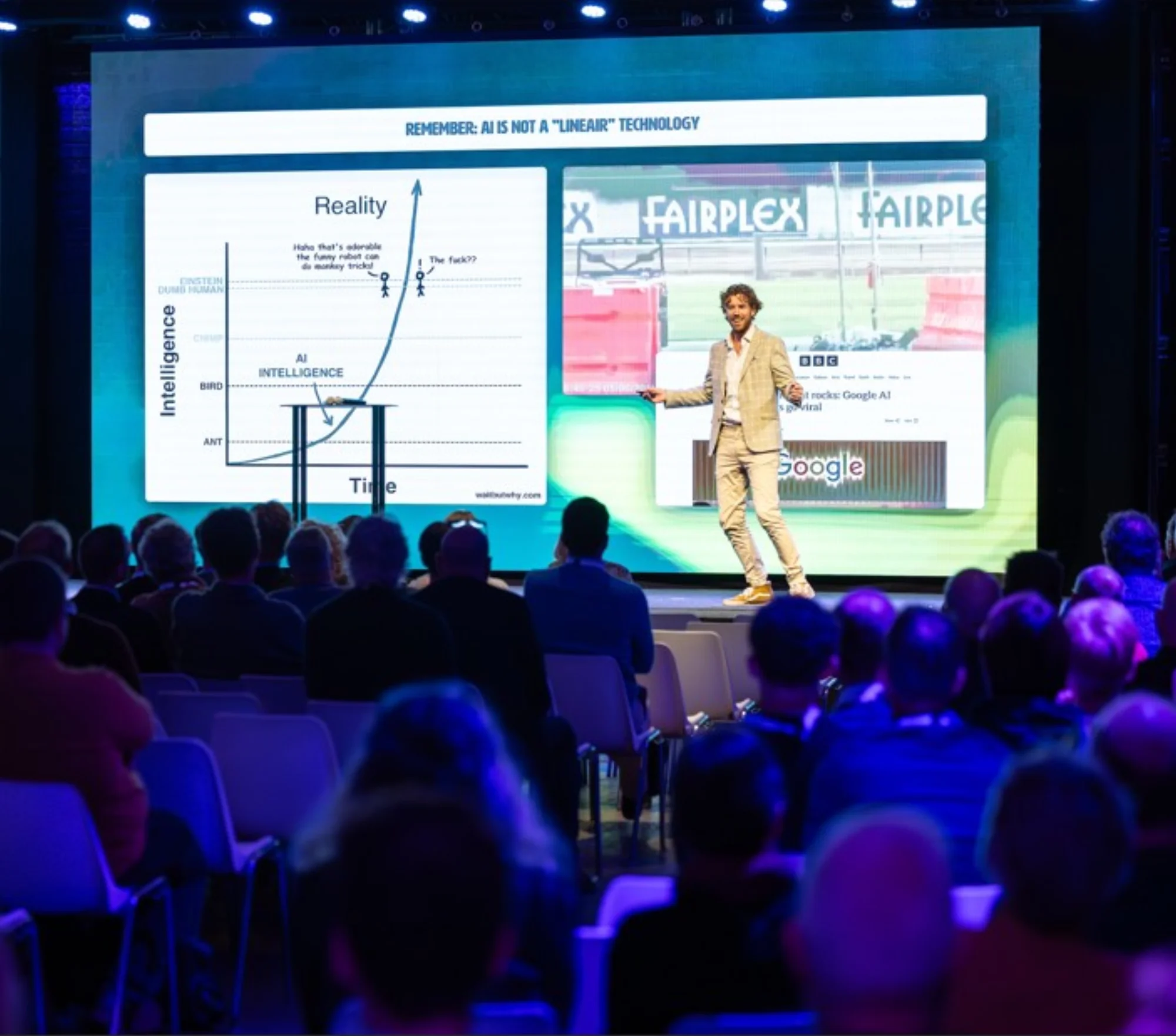
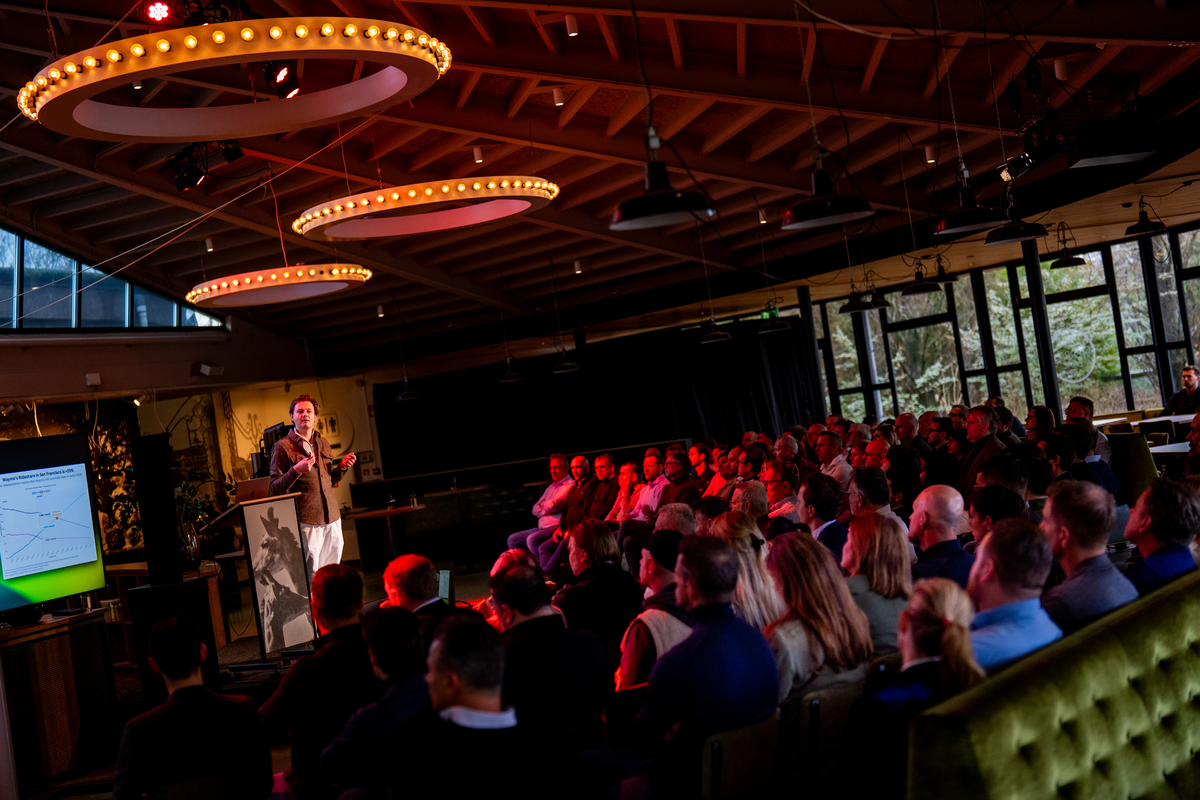
Tech-ondernemer (1989) met een achtergrond als socioloog (Research Master (MSc) in statistiek en sociologie) en een van de meest gevraagde keynote sprekers over AI en data in Nederland. Als mede-oprichter van Ai.nl, The Automation Group en Proxies leidt hij engineers die agentic AI van prototype naar productie brengen binnen enterprises. Op het podium vertaalt Job die hands-on praktijk naar concrete strategieën. Eerder was Job Chief Data bij o.a. DPG Media en Kantar. Hij is co-auteur van 5 boeken over AI waaronder 'AI Agents' en 'Handboek AI Strategie' en een veelgevraagd expert in de landelijke media.

LinkedIn