



We value your privacy

    We use cookies to analyse traffic, improve our website and show relevant content. You choose what we may use. Read our privacy policy.

    Live AI news
    Back to articles// AI Trends

    Why speaking works better than writing for AI prompts

    When working with AI, many people automatically think of typing prompts: short commands, questions, or instructions entered to get a specific response. However, there is a method that is often much more powerful: speaking. In this article, we explain why dictating prompts usually yields better results than writing them, especially when using AI to support complex tasks such as brainstorming, analysis, or advisory.

    Job van den Berg Published 17 september 2025 Updated 15 juni 2026 3 min read
    Inspreken van prompts levert meestal betere resultaten op dan het schrijven ervan.

    When working with AI, many people automatically think of typing prompts: short commands, questions, or instructions you enter to get a specific answer. But there is a method that is often much more powerful: speaking.

    In this article, we explain why dictating prompts usually yields better results than writing them. This is especially true when working with AI to support complex tasks, such as brainstorming, analysis, or advisory.

    1. More context, less overthinking

    When you speak, you think less about the formulation. As a result, you often automatically provide more context: what you want to achieve, what the problem is, who is involved, and why you are doing something. This extra information helps the AI understand your situation better and therefore provide a better answer.

    For example:

    • Typed: "Write an email about the new product."
    • Spoken: "I want to send an email to customers about our new product. It's an energy-saving heat pump aimed at installers in the region. The tone should be professional but not too technical, so that sales people can understand it too."

    You can see immediately: spoken prompts are often richer and more useful.

    2. You explain things more spontaneously and naturally

    When speaking, you use examples, metaphors, and common colloquialisms more frequently. This helps the AI understand the intent behind your question. Moreover, you often explain it the way you would to a colleague exactly what you want in an AI assistant.

    Spoken language is more human and less "contrived," which makes prompts more powerful.

    3. You work faster and more intuitively

    A major advantage of speech is speed. You can say in 30 seconds what might take 2 minutes to type. Especially when you are on the go, or just want to try something quickly, speaking is the ideal format.

    For instance, if you use a tool like ChatGPT with voice input, you can:

    • Explain something quickly and get immediate feedback.
    • Organize ideas out loud.
    • Spar in real-time with AI almost as if you were talking to a colleague.

    Practical tip: Use voice when you get stuck

    Are you stuck on a prompt or not getting the right answer? Speak your question out loud. Explain it as you would to a colleague or client. Chances are your answer will align much better with your needs.

    Conclusion

    AI works better when you explain what you need more effectively. Speech is a powerful tool for this. Not just because it is faster, but primarily because you automatically provide more context and nuance.

    So the next time you use an AI: say it out loud. You will notice that it works.

    Job van den Berg — Mede-oprichter, AI Keynote Spreker & Techondernemer bij ai.nl

    // About the author

    Job van den Berg

    Mede-oprichter, AI Keynote Spreker & Techondernemer

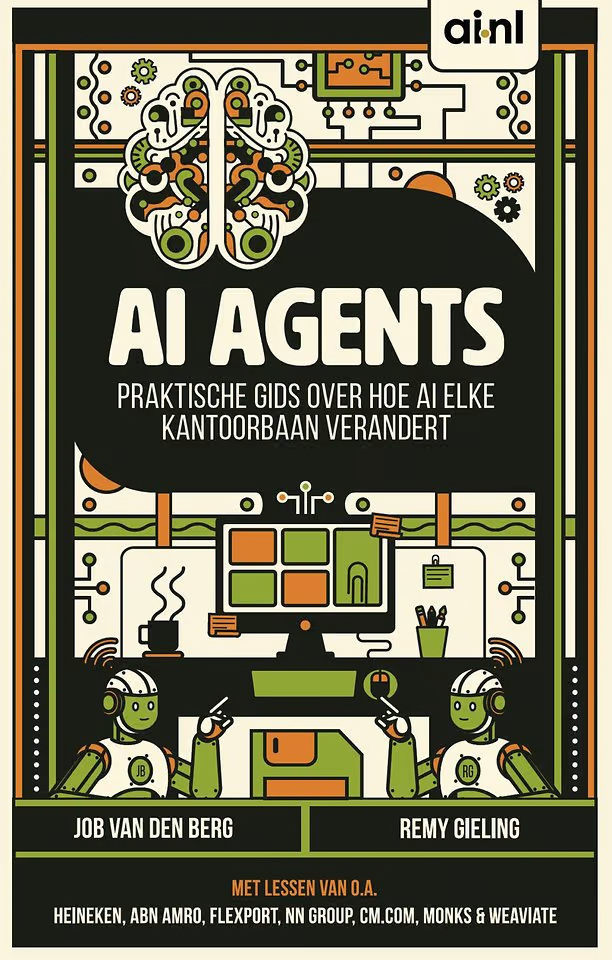
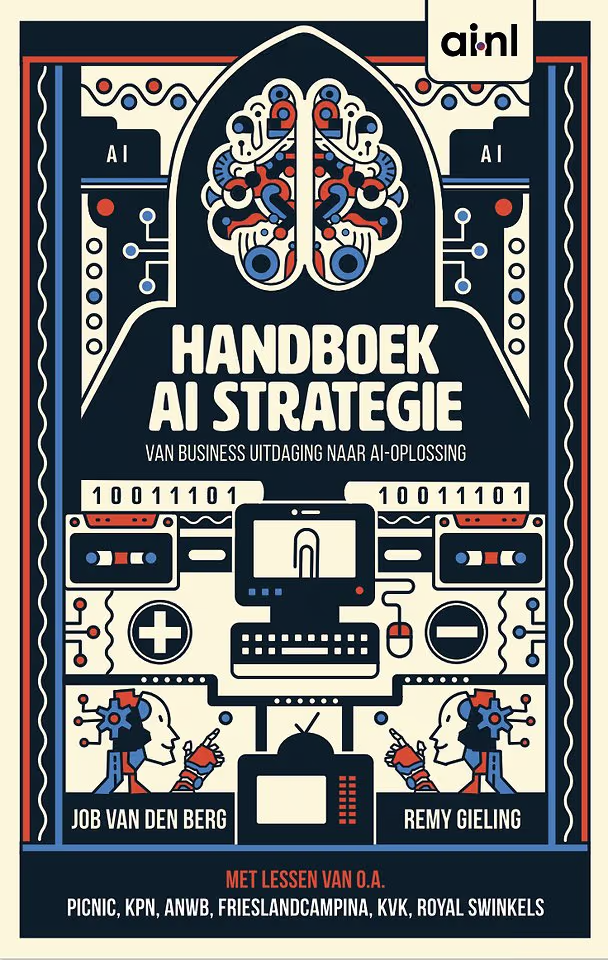
    Tech-ondernemer (1989) met een achtergrond als socioloog (Research Master (MSc) in statistiek en sociologie) en een van de meest gevraagde keynote sprekers over AI en data in Nederland. Als mede-oprichter van Ai.nl, The Automation Group en Proxies leidt hij engineers die agentic AI van prototype naar productie brengen binnen enterprises. Op het podium vertaalt Job die hands-on praktijk naar concrete strategieën. Eerder was Job Chief Data bij o.a. DPG Media en Kantar. Hij is co-auteur van 5 boeken over AI waaronder 'AI Agents' en 'Handboek AI Strategie' en een veelgevraagd expert in de landelijke media.
    LinkedIn
    // GET STARTED// How we can help

    Beyond reading — let AI work for you.

    // CONTINUE READINGAll articles

    More from AI Trends.

    Newsletter

    Always up to date on AI.

    Once a month: cases, frameworks and concrete examples of what works in practice. No noise.

    No spam. Unsubscribe any time.