Tesla Cybertruck Tested: Our Experience with Full Self-Driving (FSD)
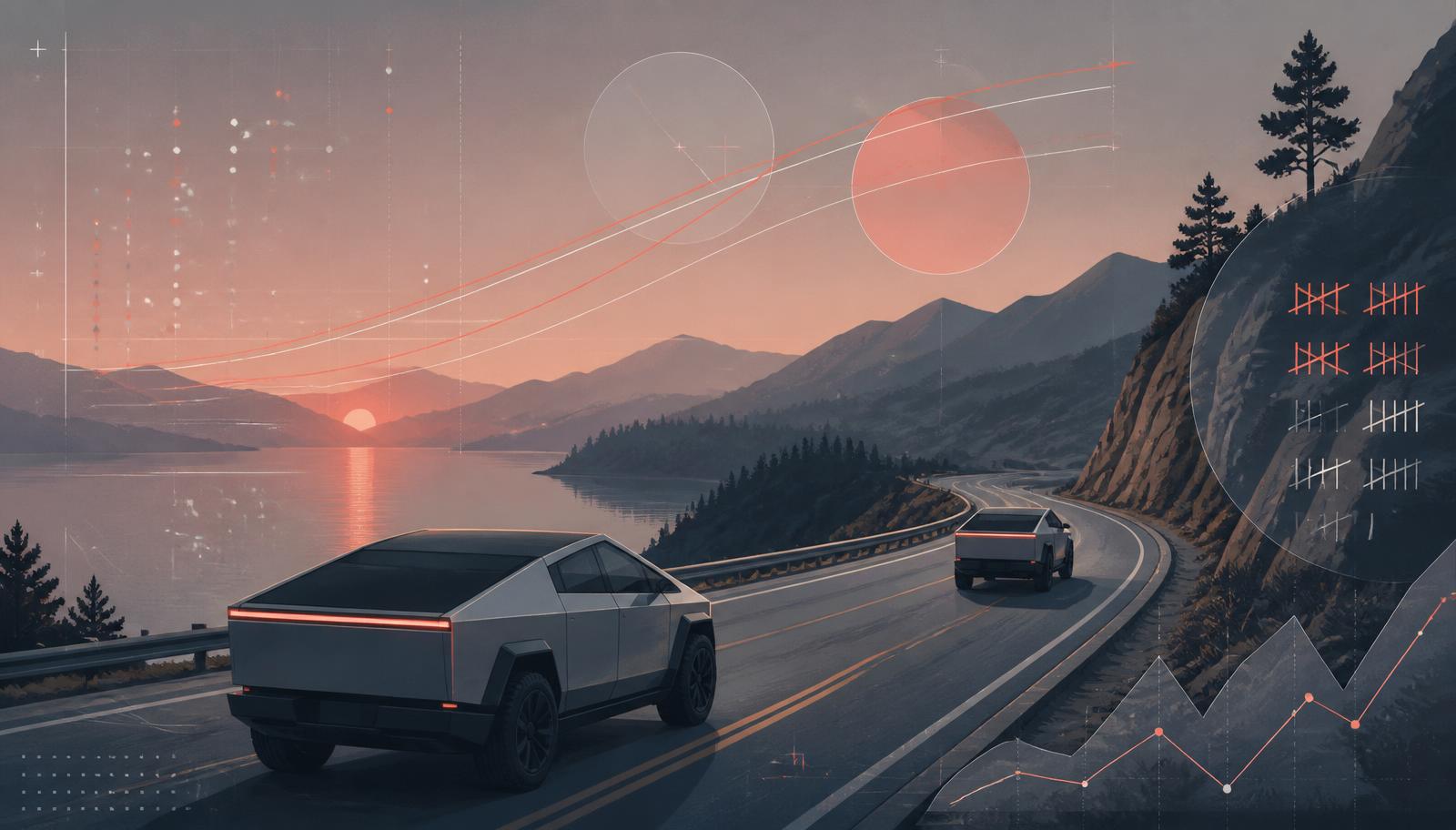
Two years ago, we were already fascinated by that brutal, angular pickup from sci-fi land. Now we've driven it ourselves-along the coast of Santa Cruz and straight through Palo Alto. And yes: the Cybertruck is exactly as polarizing as you think.

Two years ago, we were already fascinated by that brutal, angular pickup from sci-fi land. Now we've driven it ourselves-along the coast of Santa Cruz and straight through Palo Alto. And yes: the Cybertruck is exactly as polarizing as you think.
First impression: A moving paradox
The Cybertruck is contrary in every way. The design isn't "bold"; it's a middle finger to conventions: sharp lines, stainless steel paneling, no paint. It looks like a concept car that accidentally went into production. That is exemplary of Elon Musk: think big, take risks, then iterate in the real world.
But that contrarianism has a downside. That ultra-strong steel and those sharp edges lead to an uncomfortable thought: what happens in a collision with a cyclist? You don't want to know. The Cybertruck feels like a tank with a conscience-and that conscience is software.
Driving: Floating on torque
On Highway 1 near Santa Cruz, you notice immediately: this thing is fast. The torque is instant, the road handling surprisingly serene. Four-wheel steering makes it more maneuverable than its size suggests; in Palo Alto’s tight streets, we maneuvered with the ease of a smaller SUV. The air suspension glides over imperfections and keeps the body stable during acceleration and braking.
Sound? Different. No traditional engine roar, more of a hum that fits the spaceship vibe. You sit high, with a panoramic view through that massive windshield. It feels strangely familiar: as if you are simultaneously in a pickup, a design object, and a software product.
Interior: Software first
The cabin is minimalist to the bone. One large screen, clean lines, few buttons. You have to like the concept "everything is UI"-we did, although it takes a moment to find wiper and mirror settings in submenus. The seats are firm, storage space is generous, and the bed (with a roll-up cover) is functional and futuristic.
Full Self-Driving (FSD) gives you that "in the future" feeling. We drove stretches with FSD enabled and noticed: it is impressive in predictable situations and still man + machine in the chaotic reality. For example, if it rains heavily, the cameras get confused. Then a warning sign suddenly appears saying human intervention is necessary. You must remain attentive. Despite this, the visualizations and prompts instill confidence, but you stay alert. It seems like magic, but is sometimes overtaken by unruly reality.
Safety: Raw steel, soft software
The tension between hard and soft is clear. On the outside: nearly indestructible. On the inside: safety features, cameras, detection, driver monitoring. Tesla relies on sensors and algorithms to mitigate human error-while the bodywork can mercilessly magnify any mistake for whoever is on the receiving end (think: pedestrian or cyclist). That tension must remain a subject of debate, especially in densely populated cities.
Practicality: Charging, range, and usage
- Charging: Superchargers remain a blessing. Plug in, grab a coffee, move on.
- Range: More than sufficient for our coastal route; aerodynamics help, but driving style and load matter.
- Ease of use: The tailgate and accessories make it usable as a workhorse. At the same time: the size is American. In European parking garages, this will be... tight.
Love it ❤️
- Undeniable innovation in steering, drivetrain, and UI
- Character: nothing else drives or feels like this
- FSD and OTA updates make the product better every month
- Mix of performance, utility, and fun
Hate it 💥
- Safety perception for others in traffic-the tank metaphor keeps gnawing
- Minimalist controls require adjustment (and attention)
- Size and visibility don't make it the ideal city dweller
- Aesthetics are all-or-nothing: you either hate it or want to marry it
Our conclusion after Santa Cruz → Palo Alto
The Cybertruck is a statement on wheels. It forces you to take a stand. To us, it feels like a glimpse of where cars are headed: software-driven, continuously improving, and willing to slaughter sacred cows. At the same time, it painfully exposes where innovation causes friction-in safety, responsibility, and integration into the ordinary streetscape.
Do you love it or hate it? We... love the experiment, admire the technology, and remain critical of the impact. And to be honest: every time we hit the pedal along the coast, we had to grin. Future shock-but with a charging port.
// About the author
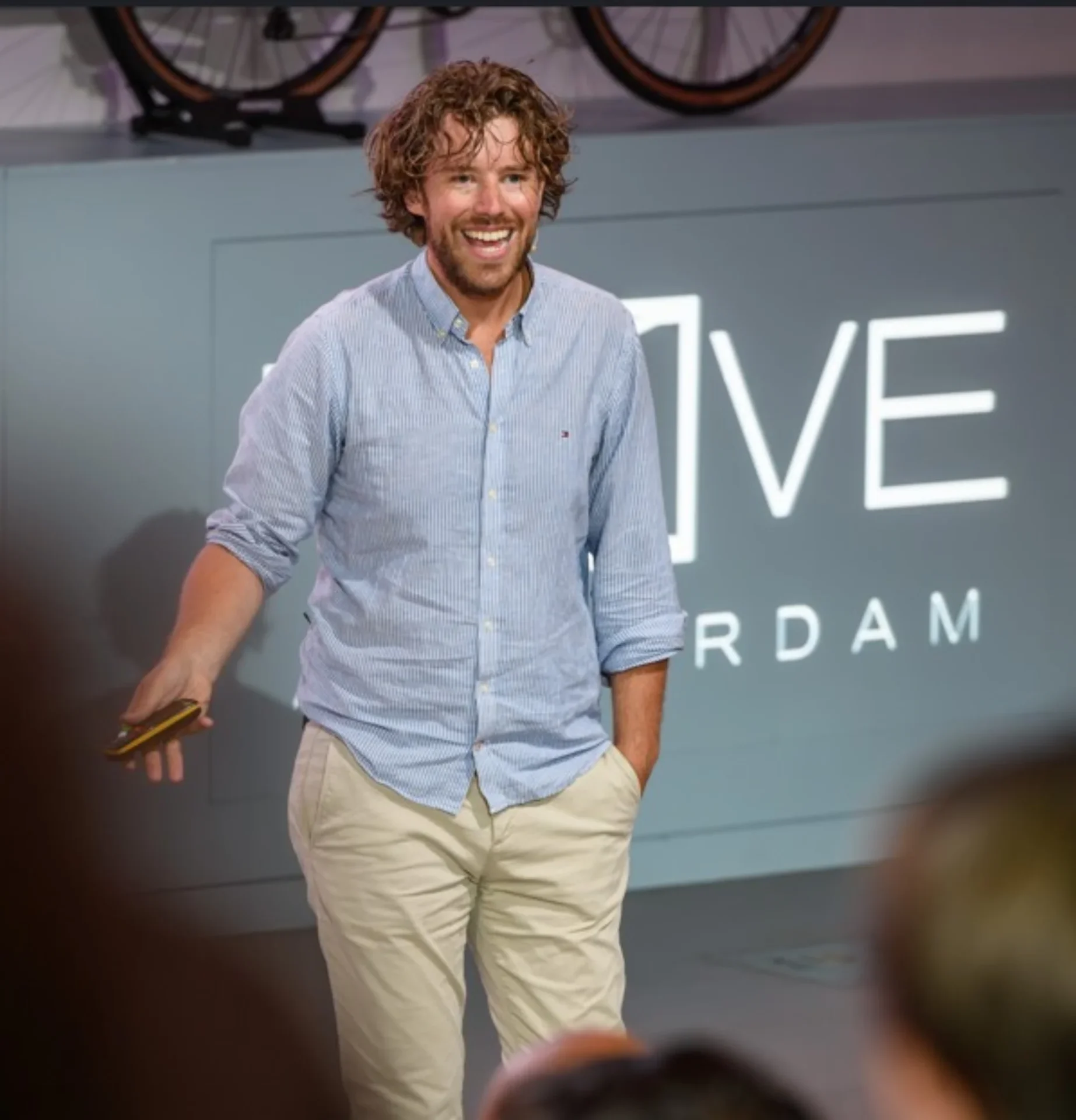
Job van den Berg
Mede-oprichter, AI Keynote Spreker & Techondernemer
Tech-ondernemer (1989) met een achtergrond als socioloog (Research Master (MSc) in statistiek en sociologie) en een van de meest gevraagde keynote sprekers over AI en data in Nederland. Als mede-oprichter van Ai.nl, The Automation Group en Proxies leidt hij engineers die agentic AI van prototype naar productie brengen binnen enterprises. Op het podium vertaalt Job die hands-on praktijk naar concrete strategieën. Eerder was Job Chief Data bij o.a. DPG Media en Kantar. Hij is co-auteur van 5 boeken over AI waaronder 'AI Agents' en 'Handboek AI Strategie' en een veelgevraagd expert in de landelijke media.
LinkedIn